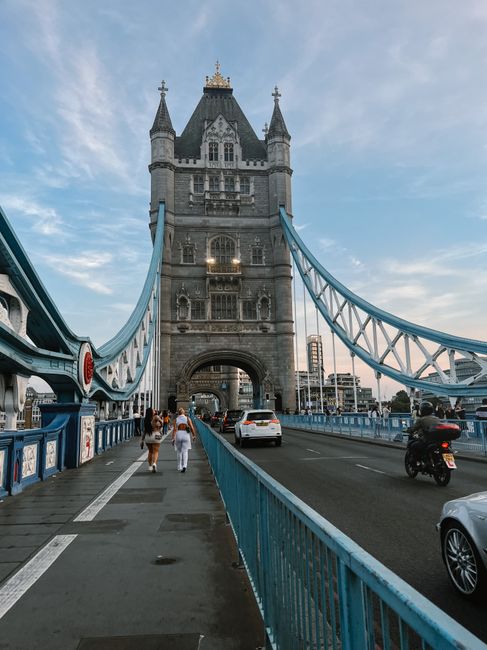
Southwark removals Tower Bridge area insider access tips

If you are planning a move near Tower Bridge, you already know the issue is rarely the boxes. It is the access. Narrow streets, busy pedestrian flows, loading restrictions, bridge traffic, timed entries, lift bookings, and awkward staircases can turn a simple removal into a very long day. That is exactly why Southwark removals Tower Bridge area insider access tips matter: they help you plan around the real-world quirks of the area before the van turns up and everybody starts looking at the clock.
This guide is built for people who want a calm, practical move rather than a last-minute scramble. We will cover how local access works, what makes Tower Bridge-area moves different, how to avoid common mistakes, and which preparation steps genuinely save time. A few small decisions made early can make a surprisingly big difference later. To be fair, that is true for most London moves, but this part of Southwark has its own personality.
Why Southwark removals Tower Bridge area insider access tips Matters
The Tower Bridge area is one of those places where maps can make everything look easier than it is. On paper, you have a short route, a nearby postcode, and maybe even a direct line of sight to the building. In practice, you may be dealing with limited stopping space, foot traffic, shared entrances, concierge rules, lift bookings, and traffic that changes character by the hour.
That matters because removals are time-sensitive. A van blocked for ten minutes can throw out a whole schedule if the crew has a tight loading window. If the building expects a specific arrival time, or if access is through a courtyard or side street, then one missing detail can become a bottleneck. You feel it most on moving day when everyone is ready, the kettle is already packed, and the trolley is somehow still not where you left it.
Insider access tips are simply the practical habits that make local moves smoother: checking entry points, measuring awkward corners, planning around peak traffic, coordinating with building management, and choosing the right vehicle size. It is not glamorous, but it works.
Expert summary: In the Tower Bridge area, the best move is usually not the fastest route on the day; it is the move that has already been cleared for access, timing, and loading before the first box is lifted.
If you are comparing support options, it can help to look at the broader range of removal services available, or even check how a local removal company explains access and planning. That often tells you a lot about how seriously they treat the tricky bits.
How Southwark removals Tower Bridge area insider access tips Works
The basic idea is simple: you reduce uncertainty before moving day. In a busy part of Southwark, that means breaking the move into access stages rather than treating it as one big event.
First, identify the property access. Is there a lift, and does it need booking? Is there a front entrance and a back entrance? Can a van stop close enough for safe loading, or will items need to be carried some distance? Are there stairs, coded doors, or a concierge desk that needs advance notice? These details matter more than people expect.
Second, plan the vehicle and crew around the site. A large lorry is not automatically the best choice if the road is tight or the stop is short-lived. In some Tower Bridge-area moves, a smaller vehicle or a flexible man and van setup can be the smarter option because it is easier to position and quicker to unload.
Third, work backwards from the destination. If you can get the beds, sofas, and white goods into the new place before the busy period starts, you save yourself a lot of awkward waiting around later. And yes, there is always at least one item that looks manageable until you reach the staircase.
Fourth, build in buffer time. Local access often takes longer than expected because of traffic, deliveries, or people using the same entrance. A move that is timed too tightly tends to feel rushed and stressful, even when the actual lifting is fine.
For people moving between flats, townhouses, or mixed-use buildings, a service such as home moves may be more relevant than a generic national removals package, because the real value is the local planning behind it.
Key Benefits and Practical Advantages
Getting the access strategy right is not just about convenience. It changes the whole feel of the move.
- Less wasted time: fewer stops, fewer missed windows, fewer awkward phone calls from the pavement.
- Lower risk of damage: better route planning means fewer collisions with walls, railings, door frames, and stair edges.
- Less stress on moving day: everyone knows where to go and what happens next.
- Better protection for neighbours and pedestrians: especially important in busy central London streets.
- Smarter vehicle choice: the right van or truck can make loading much easier.
- More accurate pricing: access complexity can affect time, labour, and overall quote structure.
There is also a quieter benefit: confidence. When you have thought through access properly, you stop second-guessing every part of the day. That makes a huge difference, especially if you are juggling children, a new tenancy start date, or an office handover.
If you are arranging a commercial relocation, the same logic applies, only with more people, more equipment, and usually less patience. In that case, commercial moves and office removals may be the better fit than a standard domestic move, because the access plan has to support desks, IT, and strict timings.
Who This Is For and When It Makes Sense
This approach makes sense for anyone moving in or around the Tower Bridge stretch of Southwark, but it is especially useful if your move has one or more of these features:
- a flat in a managed block with lift rules
- a building with limited roadside stopping space
- shared entrances or gated access
- heavy furniture, antiques, or fragile items
- a same-day handover where timing is tight
- an office move with multiple stakeholders
- parking concerns or unloading distance from the property
It is also a good fit if you are deciding between a full-service removal team and a lighter support option. For a smaller move, you might only need a man with van arrangement or a more tailored movers solution. For a bigger, more complex move, the planning needs tend to scale up quickly.
If your move is mostly one vehicle, a few rooms of contents, and a short distance, then a smaller setup can be enough. If the load includes a lot of furniture or the property access is awkward, then a stronger logistical plan is worth the effort. Truth be told, the access challenge often matters more than the distance.
Step-by-Step Guidance
Here is a practical way to organise a Tower Bridge-area move without overcomplicating it.
- Survey the access before you book anything. Walk the route from street to front door and note every obstacle. Measure doorways, hallways, lift interiors, stair turns, and any tight corner where a sofa might not behave itself.
- Check building rules early. Some buildings require booking lift times or giving advance notice for contractors. Do this as soon as you know your moving date, not the night before.
- Think about parking and stopping. A van that cannot stop close enough creates extra carrying time and extra risk. If you are unsure, ask how the crew usually handles short-stay loading in busy London streets.
- Sort the furniture by difficulty. Put the awkward items first in the plan: wardrobes, sofas, beds, and anything bulky or oddly shaped.
- Use the right packing approach. A well-packed box stack is easier to move, faster to load, and less likely to shift in transit. If you have a lot to box up, packing and unpacking services can save serious time.
- Label items by room and priority. Not just "kitchen" or "bedroom" - add "open first," "fragile," or "last off van." That tiny bit of structure helps everyone.
- Keep a clear access pack. Put keys, fobs, booking details, parking notes, and contact numbers in one easy-to-reach place. Not in the bottom of a box. Definitely not in a box marked "misc."
- Confirm the final timing on the day before. London conditions can shift quickly. A short confirmation call or message avoids a lot of confusion.
One small thing, but useful: leave a clean route inside the property. Remove loose rugs, open doors where safe, and keep cables out of the way. Moving teams work faster when they are not negotiating a hallway obstacle course.
Expert Tips for Better Results
These are the little details that often separate a smooth move from a merely average one.
1. Plan for the worst turning point, not the best. A street may look wide enough until a parked van, a delivery bike, and a bin lorry all arrive. Think about how the biggest item will move through the hardest point, not the easiest one.
2. Split the move into load zones. If you can stage items near the exit in the old property and near the entrance in the new one, the crew can keep moving instead of stopping to re-sort. It sounds small. It is not.
3. Prioritise elevator access if you have one. In buildings where lift booking is available, treat it like gold. A booked lift window is one of the most valuable moving resources in central London.
4. Be honest about volume. People often underestimate how much they own. A packed wardrobe, two bookshelves, and "just a few kitchen things" can fill a van faster than expected. A realistic inventory leads to a better quote and fewer surprises.
5. Ask for clear handling of delicate items. Mirrors, art, glass furniture, monitors, and dismantled fittings need more care. That should be discussed before moving day, not after something chips.
6. Choose flexibility over bravado. The biggest van is not always the smartest van. On tight streets, manoeuvrability can beat capacity. That is one of those slightly boring truths that saves money in the end.
If you are unsure about vehicle choice, comparing moving van options with a removal van setup can help you see whether you need compact flexibility or heavier load capacity.
Common Mistakes to Avoid
A lot of access problems are avoidable. They just get missed because the move itself feels urgent.
- Leaving access checks too late: by then, you are reacting instead of planning.
- Assuming the street is easy because it is close to the river: closeness is not the same as convenience.
- Forgetting to book building facilities: lifts, loading bays, and concierge approval can all affect timing.
- Overpacking boxes: heavy boxes slow everything down and are harder to carry safely.
- Underestimating walking distance from vehicle to door: ten extra metres repeated twenty times feels like a lot.
- Ignoring weather: wet pavements, cold mornings, and low visibility can all slow loading.
- Choosing price only: the cheapest quote can be the most expensive if it does not account for local access properly.
Another mistake is treating home and office moves the same. Offices need coordination, IT protection, and often a tighter release schedule. If that sounds familiar, office relocation services may be a better lens for planning than a standard domestic move checklist.
And yes, someone will always say, "It will be fine on the day." Sometimes it will. Sometimes the lift is locked, the road is busy, and the mattress refuses to fit round the bend. Better to be prepared.
Tools, Resources and Recommendations
You do not need a huge toolkit, but a few simple things make the process much easier.
- Measuring tape: for doors, stair turns, and furniture dimensions.
- Basic floor plan or sketch: even a rough one helps with room allocation and unloading order.
- Labels and marker pens: clear box labels save time in a very real way.
- Protective materials: covers, blankets, and wrapping for fragile or polished items.
- Phone notes app: for access codes, contact names, and timing details.
- Inventory list: especially useful if you are moving in stages or storing items.
For service planning, it can also help to compare broader options such as removal companies, removal company support, and simpler man and van removals if your load is smaller. The goal is not to buy the biggest service; it is to buy the right one.
Where packing support is concerned, a service like packing and unpacking services is particularly helpful for people short on time or dealing with fragile household contents. That one can be a real sanity-saver, especially midweek.
Law, Compliance, Standards, or Best Practice
For removals in a busy part of Southwark, compliance is mostly about safe working, sensible planning, and respecting access rules. You do not need to become a legal expert, but it is wise to understand the basics.
In practical terms, reputable moving teams should work with appropriate care for the property, the public, and the items being moved. That means safe lifting practices, proper vehicle loading, and attention to access hazards such as wet pavements, uneven surfaces, and narrow stairwells. It also means taking building instructions seriously, because a concierge note or loading rule is not "just admin" on a busy day.
If you are booking a provider, it is sensible to review their health and safety policy and their insurance and safety information. That is not paranoia; it is normal due diligence. If things go wrong, you want to know how the process works and what level of protection is in place.
Payment clarity matters too. For many customers, a move is stressful enough without hidden assumptions about deposits, balances, or card handling. A clear look at payment and security and the relevant terms and conditions can prevent a lot of awkwardness.
If sustainability matters to you, it is also worth understanding how unwanted items and packaging are handled. Some people need furniture removal, others need disposal guidance, and some just want to know they are not creating extra waste for no good reason. In that case, recycling and sustainability is a useful page to review before the move.
One more practical note: if your move involves special access challenges, ask for the plan to be described in plain language. A good provider should be able to explain what happens at the curb, in the building, and at the final destination without hiding behind jargon.
Options, Methods, or Comparison Table
Different access situations call for different moving methods. Here is a simple comparison to help you decide what usually fits best.
| Method | Best for | Strengths | Watch-outs |
|---|---|---|---|
| Man and van | Small to medium moves, tight roads, flexible timing | Easier to position, often quicker for short urban jobs | May need multiple trips if volume is underestimated |
| Removal van | Standard household moves with moderate access needs | Good balance of capacity and manoeuvrability | Parking and loading space still need checking |
| Moving truck | Larger inventories or bigger homes | More capacity in one go | Harder to place in narrow streets and busy loading areas |
| Full removal service | Complex moves, delicate items, or time-sensitive relocations | More support, more coordination, less DIY pressure | Usually depends on accurate access details from the start |
There is no single "best" option for everyone. A one-bedroom flat near the river edge may be simpler with a compact setup, while a larger family home or small office may need a more structured moving team. If you are weighing up vehicle size, the choice between a moving truck and a man with a van arrangement is often about access more than volume alone.
Case Study or Real-World Example
Here is a realistic example based on the kind of move that happens often in this part of Southwark.
A couple moving from a second-floor flat near Tower Bridge had a simple inventory on paper: bed, sofa, dining table, boxes, and a few bits of office equipment. Nothing dramatic. But the building had a booked lift window, the street outside had limited stopping time, and the sofa had to be turned through a narrow hall bend that looked harmless until you stood there with the thing in your hands.
They did three things right. First, they measured the awkward hallway bend before moving day. Second, they checked the building entry and lift booking a week in advance. Third, they split their boxes into "first-night," "fragile," and "general" groups, which meant the essentials came off the van first.
The day still took effort - moves always do - but it stayed orderly. No one was panicking about the keys, the lift, or where the kettle had gone. The removal team could work methodically, and the clients were not stuck improvising in the middle of the pavement.
That is the real value of insider access planning. It does not make the move magical. It just removes the nonsense.
For a move like that, a tailored local service such as removals near me can be more helpful than a generic national option, because the local detail is what makes the difference.
Practical Checklist
Use this as a quick pre-move check, especially if you are moving near Tower Bridge or through central Southwark streets.
- Confirm moving date and time with everyone involved.
- Walk the access route from street to property entrance.
- Measure doors, stairs, lifts, and corners.
- Check for building rules, lift bookings, or concierge instructions.
- Identify where the vehicle can stop safely and legally.
- Separate fragile items from general boxes.
- Label each box clearly by room and priority.
- Set aside keys, fobs, contact details, and ID documents.
- Protect floors and corners where items may scrape.
- Decide whether you need packing help, extra labour, or a different vehicle size.
- Review safety, insurance, payment, and terms before confirming the booking.
- Keep one small essentials box handy for the first night.
If you are moving furniture only, a focused service such as furniture pick up may be enough. For a standard household move, house removals or house movers will usually be more suitable. It depends on how much you need shifted and how tricky the access is.
Conclusion
Southwark and the Tower Bridge area reward people who plan access properly. The streets are busy, the buildings can be awkward, and the moving day timetable often feels tighter than expected. But with the right checks in place, it becomes manageable rather than chaotic.
The best insider tips are not secret at all. They are the habits that experienced movers use every day: measure carefully, book access early, choose the right vehicle, keep the route clear, and tell the truth about the size and shape of the job. Simple, really. Not always easy, but simple.
If you are still at the planning stage, take one calm pass through your access details before you book anything. That single review can save time, reduce stress, and make the whole move feel far more under control. And that is worth a lot on a day when your life is packed in labelled boxes.
Get a free quote today and see how much you can save.
With a little preparation and the right local support, moving near Tower Bridge can be one of those jobs that ends better than it started. And honestly, that is a good feeling.
Frequently Asked Questions
What makes Tower Bridge area removals more difficult than other Southwark moves?
The main challenge is access. You are more likely to deal with busy roads, limited stopping space, building entry rules, and pedestrian traffic. Even a short route can become tricky if the van cannot park close to the property.
Do I need to book lift access for a flat move?
If your building has a lift booking system, then yes, it is usually wise to book it. A reserved lift window can save a lot of waiting and helps the move stay on schedule.
Is a man and van service enough for a move near Tower Bridge?
Often, yes, if the property is smaller and the load is manageable. It can be a smart choice where streets are tight or the move needs flexibility. For bigger loads, a larger removal setup may be better.
How far in advance should I plan access details?
As early as possible. Ideally, sort access details as soon as you know your moving date. Building rules, parking, and lift bookings can all take time to confirm.
What should I tell the movers before the day?
Tell them about stairs, lifts, access codes, parking limits, heavy furniture, fragile items, and any restrictions from the building. The more accurate the information, the smoother the day usually goes.
Can I save money by choosing a smaller vehicle?
Sometimes, yes. A smaller vehicle can be more practical in tight streets and may reduce wasted time. But if it means too many trips, the savings may disappear. The best choice depends on the volume and access.
What if the van cannot stop right outside the property?
Then you need to plan for extra carrying distance and a bit more time. That is common in central London and not a disaster, but it should be accounted for in the quote and schedule.
Are packing services worth it for a local move?
They can be, especially if you have little time, fragile items, or a lot of rooms to organise. Packing support often reduces stress and helps the move start more efficiently.
What should I check in terms of insurance and safety?
Check how items are handled, what protection is in place, and whether the provider explains their process clearly. It is sensible to review their insurance and safety information before confirming anything.
How do I avoid delays on moving day?
Book access early, clear the route, label everything properly, and give the mover accurate details about parking and building entry. Small delays add up fast in this area, so preparation really does matter.
What if I am moving an office instead of a home?
Office moves need tighter coordination, particularly for IT, furniture, and timing. In that case, you should look at more structured options such as office relocation services or office removals.
How can I get a quote that reflects access issues properly?
Give a clear description of the property, access route, parking situation, floor level, lift availability, and any building restrictions. A quote is only useful if it reflects the real job, not the ideal version of it.