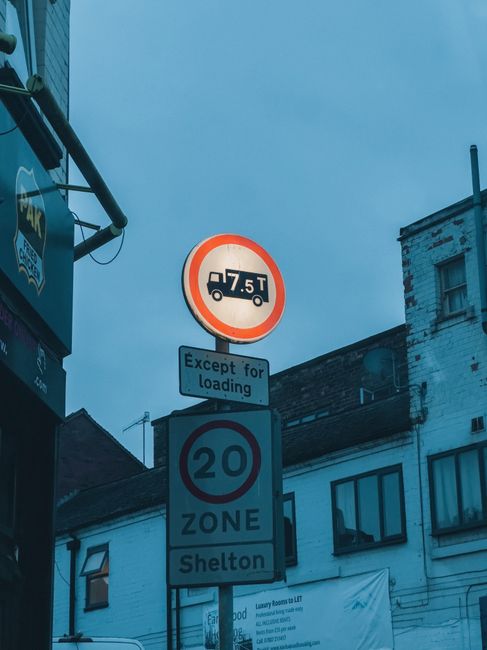
Southwark Council Permit Rules for Street Loading and Removals
If you are moving home, relocating an office, or arranging a heavy furniture drop-off in Southwark, the parking and loading side of the job can become the part that ruins the whole day. Southwark Council permit rules for street loading and removals affect where a van can stop, how long it can stay, and whether your move stays legal and on schedule. Miss the detail and you can end up circling the block, losing time, and getting stressed before the boxes are even inside.
This guide breaks the topic down in plain English: what the rules usually mean in practice, how loading arrangements work, who needs to think about permits, and how to plan a removal without nasty surprises. Along the way, you will also find useful prep tips, common mistakes, and a realistic checklist you can use the night before moving day. Let's face it, a calm move starts at the kerb.
Table of Contents
- Why Southwark Council permit rules for street loading and removals Matters
- How Southwark Council permit rules for street loading and removals Works
- Key Benefits and Practical Advantages
- Who This Is For and When It Makes Sense
- Step-by-Step Guidance
- Expert Tips for Better Results
- Common Mistakes to Avoid
- Tools, Resources and Recommendations
- Law, Compliance, Standards, or Best Practice
- Options, Methods, or Comparison Table
- Case Study or Real-World Example
- Practical Checklist
- Conclusion
- Frequently Asked Questions
Why Southwark Council permit rules for street loading and removals Matters
Street loading is one of those things people only think about when it goes wrong. You may have the best packing plan in the world, but if the van cannot stop legally near the property, the move slows down immediately. In busy parts of Southwark, that matters even more because streets can be narrow, bays may be shared, and traffic can be unforgiving at the best of times.
For removals, the loading point is not just a convenience. It is part of the job. A well-managed loading arrangement reduces carrying distance, helps protect furniture, and lowers the chance of rushed handling on stairs or pavements. It also keeps your driver and crew focused on the move, not on whether they need to move the vehicle again in five minutes.
There is also a cost angle. If a removal van has to park too far away, the team may need extra time, additional labour, or even a second trip. None of that is ideal when you are already juggling keys, cleaners, school runs, and a landlord who wants the flat empty by noon. A bit of planning here saves a lot later.
Expert summary: the permit issue is really a planning issue. If the road space, stopping rules, and vehicle size are considered early, the actual move usually feels much less dramatic. Not glamorous, perhaps, but very effective.
How Southwark Council permit rules for street loading and removals Works
In practical terms, permit rules for loading and removals are about whether a vehicle may legally stop, wait, or load on a public road. The exact position depends on the street, any markings or signs, local restrictions, and whether the loading activity is allowed during the time you need. The important point is that loading is not the same as parking. A van can sometimes stop briefly for active loading, but that does not mean it can sit there as if it were parked all afternoon.
For removals, the normal questions are straightforward:
- Can the vehicle stop close enough to the property?
- Is there a loading bay, shared bay, or permit-controlled space available?
- Will the stop be long enough for the amount of furniture and boxes involved?
- Are there time limits or access restrictions at that time of day?
Some moves are simple. A small flat removal with one or two helpers and a compact van may only need a short curbside stop. Others, especially larger home moves or commercial relocations, may need a more structured plan. If you are using a bigger vehicle, such as a moving truck, you need to think harder about space, turning room, and whether the street can physically handle the manoeuvre without blocking traffic.
To be fair, most people do not need to memorise every council rule. What they do need is a sensible understanding of the process: check access, confirm loading conditions, estimate how long the vehicle will be in place, and make sure the moving team knows the plan before they arrive. That is the difference between a smooth move and a morning full of phone calls.
Key Benefits and Practical Advantages
Getting the loading side right gives you more than legal peace of mind. It improves the whole moving day.
- Less delay: the crew can get on with the work instead of searching for a safe stopping point.
- Safer handling: shorter carrying distances reduce the chance of bumps, drops, and strained backs.
- Better timing: your move is easier to schedule around key collection, lift bookings, and building access windows.
- Lower stress: you are not trying to solve a parking problem while the sofa is halfway out the door.
- Cleaner communication: everyone knows where the vehicle will go, who will direct it, and what to do if the space is occupied.
There is also a subtle benefit many people overlook: goodwill with neighbours and building managers. If a van is parked considerately and the loading is organised, you are much less likely to create friction in a shared street or estate. That matters in Southwark, where people are often living and working very close together. You do not need the whole road to be your cheerleading section; just enough space to do the job properly.
If your move is likely to involve repeated loading and unloading, consider whether a service such as man and van or a larger move arranged through removals is the better fit. Bigger moves often benefit from more planning, while smaller ones can be handled faster with a compact setup.
Who This Is For and When It Makes Sense
This topic applies to more people than you might expect. If your move involves a vehicle stopping on a public road in Southwark, you should think about loading rules. That includes:
- home movers moving from a flat, terrace, or maisonette
- students shifting between rented rooms or shared houses
- office teams moving equipment and filing cabinets
- retailers or commercial tenants receiving stock or removing fixtures
- people moving bulky items such as wardrobes, beds, pianos, or sofas
It makes even more sense when the street is busy, the property has no driveway, or access is awkward. A basement flat with a narrow stairwell? You will want a solid loading plan. A top-floor conversion with no lift? Same story. A commercial move with several desk sets and archive boxes? Definitely.
Some readers worry that permits sound like overkill for a small move. Fair enough. But the reality is that even a short loading stop can cause issues if it is done in the wrong place or at the wrong time. Better to ask the question early than to improvise when the van is already outside and everyone is waiting.
For students and renters in a hurry, services like student removals and flat removals can be useful because they are often built around shorter access windows, stairs, and limited street space. If you are moving items in smaller loads, a removal van may be more practical than a larger vehicle. Simple, but true.
Step-by-Step Guidance
Here is a practical way to approach street loading for a move in Southwark.
- Check the street outside both properties. Look for double yellow lines, loading bays, resident bays, red route restrictions, time plates, and any suspension signs. If the road feels tight before the move starts, it probably is.
- Estimate how long the vehicle will need. A few boxes and a bed frame are very different from a full family house. Be honest here. People often underestimate loading time by a lot.
- Match the vehicle to the job. A compact van is easier to place on a narrow street. A larger truck may be better for volume, but only if access allows it. There is no prize for choosing the wrong size and making life harder.
- Tell the removal team about access quirks early. Mention blocked roads, width restrictions, timed entry, gates, lift bookings, or neighbour parking patterns. These details matter more than people think.
- Plan where the crew will carry items from and to. Decide the load path before moving day. You want the shortest safe route, not a maze through bins, bikes, and front gates.
- Have paperwork and keys ready. Sounds obvious. Yet keys often disappear just when the sofa arrives at the new place. Human beings, eh?
- Build in a buffer. Traffic, weather, and lift delays happen. Give yourself breathing room rather than a back-to-back schedule with no margin.
If you are unsure about the right vehicle size, moving truck hire or a removal truck hire arrangement may suit larger, structured moves. For smaller, flexible jobs, a van-based option often works better. The right choice depends on access, not just volume. That is the bit people miss.
Expert Tips for Better Results
After enough moves, a few patterns become obvious.
- Keep the loading bay plan simple. If the driver and the movers need a long briefing, the plan is too complicated.
- Use one person to direct loading if possible. Too many voices at the kerb creates confusion fast.
- Protect corners and handles first. Most damage happens in the doorway, the stair turn, or the first lift into the vehicle.
- Move the biggest items before the small ones. It is easier to build around a sofa than to try squeezing one in after every box is already stacked.
- Check the weather. A damp morning can make steps and pavements slippery. Not ideal when carrying a wardrobe.
A practical little trick: walk the route from the front door to the vehicle with an empty hand before the move starts. You will spot uneven paving, awkward gates, or low railings very quickly. It takes 20 seconds and can save a dented wall or an injured elbow. A bit old-school, perhaps, but effective.
If your move includes awkward pieces such as upright instruments or oversized furniture, specialist options like piano removals and furniture removals are worth considering. They are not just about lifting strength; they are about planning the loading sequence and protecting the item during the short but critical street-to-vehicle transfer.
Common Mistakes to Avoid
The same errors come up time and again, and they are all avoidable.
- Leaving access checks until moving day. By then, the road may already be full.
- Assuming a van can always stop "just for a minute". Traffic rules do not care that you are in a hurry.
- Choosing a vehicle before checking the street. A larger vehicle is not always the better one.
- Underestimating packing time. Loading starts late when packing runs behind, and then everything feels rushed.
- Forgetting about building rules. Estate managers, lifts, or concierge teams may have access procedures that matter just as much as the road outside.
- Not warning neighbours. On a quiet street, a little notice goes a long way.
One common pattern is people overfocusing on the inside of the property and neglecting the kerbside plan. Truth be told, the outside often decides how the inside goes. If the van is in the wrong place, even a beautifully packed home becomes a logistical headache.
Tools, Resources and Recommendations
You do not need a mountain of equipment to manage loading well, but a few basics help a lot:
- move tape or door protectors
- trolley or sack truck for heavier boxes
- blankets and wraps for furniture edges
- clear labels for priority boxes
- phone contacts for the driver, building contact, and key holder
- a simple floor plan for the new property if the move is larger
Good packing also makes loading more predictable. If you need support with box supply or organisation, packing and boxes can help reduce last-minute chaos, while packing and unpacking services can be useful when time is tight or you simply do not want to live among half-sealed cartons for three weeks. No judgement there.
For storage between addresses, a storage option can make the loading process simpler because you can move in stages rather than trying to fit everything into one frantic day. That can be especially helpful for larger home moves, downsizing, or office transitions.
And if you are comparing moving support more broadly, it is worth looking at the credibility and service approach of a provider such as removal companies. Details like health and safety policy, insurance and safety, and clear pricing and quotes matter more than a flashy promise. They just do.
Law, Compliance, Standards, or Best Practice
This is an area where careful wording matters. Street loading and removals are influenced by local traffic restrictions, road markings, and council-controlled parking conditions, and those can vary street by street. The safest approach is to treat any stopping arrangement as something that must be checked rather than assumed.
In UK moving practice, best behaviour usually means:
- stopping only where permitted
- keeping loading periods as short as reasonably possible
- not blocking pedestrian access, dropped kerbs, or emergency routes
- respecting time-based restrictions and signage
- making sure vehicle size and road space are properly matched
For businesses, this can be even more important. An office move may involve deliveries, staff access, building management rules, and a moving schedule that cannot slip. In those cases, using an organised service such as commercial moves or office removals is often a cleaner way to manage compliance and timing. If the move is larger and involves multiple desks, files, and equipment, office relocation services can provide a more structured approach.
One thing worth saying plainly: do not treat loading rules as a tick-box chore. They are part of safe, lawful, courteous moving practice. A few minutes of checking can prevent a fine, a complaint, or an awkward stand-off in the street. Not worth the gamble, really.
Options, Methods, or Comparison Table
Different move types need different street-loading approaches. Here is a simple comparison to help you choose the right method.
| Move type | Typical access need | Best-fit vehicle | Useful note |
|---|---|---|---|
| Small flat move | Short curbside stop, stairs, limited space | Removal van | Often quicker and easier to position |
| Family home move | Longer loading time, more boxes and furniture | Moving truck or larger van | Check turning room and bay availability carefully |
| Student move | Light load, tight budget, quick turnaround | Man and van | Best when items are manageable and access is simple |
| Office relocation | Timed loading, multiple trips, building access | Truck or coordinated fleet | Needs the strongest scheduling discipline |
| Bulky furniture only | Single-item handling, careful protection | Van with lift support | Useful for sofas, beds, and similar items |
If you are unsure between a flexible helper model and a more traditional team, compare man with a van against a broader home moves service. The first is often handy for lighter, shorter jobs; the second tends to suit fuller household moves where access and timing need a tighter process.
Case Study or Real-World Example
A typical Southwark move might look like this. A couple is leaving a second-floor flat with no lift, moving to a nearby street with resident parking only, and they have a sofa, bed frame, several boxes, and a dining table. On paper it sounds simple. In reality, the two streets have different restrictions, the old property has a narrow entrance, and the best loading point is a short walk from the front door.
They do one thing right: they check access early and tell the removals team about both addresses. The team arrives with the right vehicle size, the loading order is planned, and the sofa goes out first while the path is still clear. The carry takes less time than expected because the crew knows where to stop, who is directing the move, and which items need protection. There is no scrambling, no shouting across the pavement, and no last-minute repositioning because another car has squeezed into the space.
That is usually how good removals feel. Not dramatic. Just organised. A little noisy, yes, and somebody always loses a roll of tape for ten minutes, but the day keeps moving forward.
Practical Checklist
Use this checklist before any street loading move in Southwark:
- confirm the moving date and time window
- check loading and waiting restrictions on both streets
- identify the nearest safe stop for the vehicle
- choose a vehicle size that fits the street as well as the load
- tell the removals team about stairs, lifts, gates, or narrow entrances
- label fragile, priority, and heavy items clearly
- keep keys, paperwork, and contact numbers ready
- warn neighbours if access may be briefly affected
- protect floors, corners, and door frames
- build in buffer time for traffic or delays
Quick takeaway: if you plan the road access with the same care as the packing, the move usually feels half as hard. That is not an exaggeration.
Conclusion
Southwark Council permit rules for street loading and removals are easiest to handle when you treat them as part of the moving plan, not as an afterthought. Check the street, match the vehicle to the space, be honest about how long loading will take, and keep communication tight between everyone involved. That one bit of organisation can save a surprising amount of stress.
Whether you are moving a flat, a family home, an office, or just a few awkward items, a calm loading plan makes the rest of the job far smoother. And if you are already feeling the pressure, that is understandable. Moving day has a way of making even sensible people stare at a doorway and wonder how the sofa ever fit through it in the first place.
For a move that is planned properly from the street upwards, explore the relevant service options, check the practical details early, and keep your timing realistic. The best moves tend to be the ones that look simple because the hard thinking happened beforehand.
Get a free quote today and see how much you can save.
Frequently Asked Questions
Do I need a permit for street loading during a removal in Southwark?
Not every move needs a formal permit, but you do need to make sure the vehicle can stop legally where loading is taking place. The key is to check the street restrictions, time limits, and bay rules before moving day. If the street is tightly controlled, planning becomes even more important.
What is the difference between loading and parking?
Loading means a vehicle is stopping to actively move items in or out. Parking means the vehicle is left stationary for general waiting. The rules are different, and that difference matters a lot. A van can sometimes load where it cannot park, but only within the allowed conditions.
Can a removal van stop on double yellow lines?
Sometimes loading exemptions may apply in certain circumstances, but you should never assume this. The safest approach is to check the local restrictions for the exact street and time. If you are unsure, plan a legal alternative rather than hoping for the best.
How long should I allow for street loading?
It depends on the size of the move, the distance from the property to the vehicle, and whether there are stairs, lifts, or narrow corridors. A small flat move can be relatively quick, while a larger household or office move needs much longer. It is usually better to overestimate a little than to be under pressure.
What happens if the loading space is already taken?
This is why a backup plan matters. If a loading bay or stopping point is occupied, the vehicle may need to wait legally elsewhere or use an alternative route. Build in time for this possibility, especially in busy Southwark streets where parking is often tight.
Are larger vehicles always better for removals?
No. A bigger vehicle can carry more, but it may be harder to place in a narrow street or tight bay. The best vehicle is the one that fits both the load and the access conditions. Sometimes a smaller van is actually the smarter choice.
What should I tell my removals team before the move?
Tell them about parking restrictions, access codes, stairs, lifts, narrow roads, one-way systems, and any timed entry rules. Mention if the road is often busy or if neighbours commonly park close to the property. Those details can change the whole plan.
Is street loading different for office removals?
Yes, usually. Office moves often involve tighter timing, more equipment, and building management rules that need to be respected. If you are moving a workplace, use a more structured plan and allow extra time for access, loading, and internal coordination.
What is the best option for a small move with limited street access?
A compact van-based service is often the easiest option for short, simple moves where street space is limited. Smaller vehicles are easier to position and can reduce stress on narrow roads. That is especially useful for flat moves and student moves.
How do I avoid delays on moving day?
Confirm the access plan early, keep packing on schedule, choose the right vehicle, and make sure everyone knows where the vehicle will stop. Also, leave a bit of buffer time. Delays usually come from small things adding up, not one huge problem.
Can storage help if I cannot load everything in one go?
Yes. Storage can be useful when completion dates, access times, or property handovers do not line up neatly. It lets you move in stages instead of forcing everything into one rushed day. That can make the whole process feel much more manageable.
What is the safest way to handle bulky items on the street?
Use proper lifting equipment, protect the item's corners, keep the route clear, and avoid rushing the carry. Bulky furniture should be moved with care from the front door to the vehicle, especially on sloped pavements or in wet weather. Slow is often faster here.