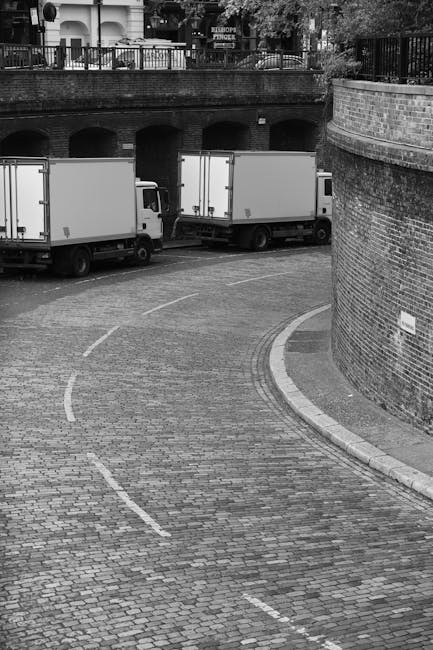
Bermondsey Street removals tips for narrow access jobs
Bermondsey Street moves can look straightforward on a map and then become surprisingly tricky at street level. Narrow pavements, tight entrances, basement flats, awkward staircases and limited kerbside space can slow everything down if you have not planned for them properly. That is why Bermondsey Street removals tips for narrow access jobs matter: they help you protect your furniture, save time, reduce stress and avoid the kind of avoidable damage that turns moving day into a long afternoon of regret.
Whether you are moving out of a small flat, handling a partial furniture relocation or arranging a full household move, narrow access changes the whole strategy. The goal is not simply to lift and carry. It is to measure, sequence, protect, and choose the right vehicle and loading approach before the first box leaves the property. If you want a smoother move, this guide walks through the real-world steps that make the difference.
For extra reading on packing and move preparation, you may also find packing advice for a smoother house move, decluttering before moving, and furniture removals support useful when planning a constrained access job.
Table of Contents
- Why Bermondsey Street removals tips for narrow access jobs Matters
- How Bermondsey Street removals tips for narrow access jobs Works
- Key Benefits and Practical Advantages
- Who This Is For and When It Makes Sense
- Step-by-Step Guidance
- Expert Tips for Better Results
- Common Mistakes to Avoid
- Tools, Resources and Recommendations
- Law, Compliance, Standards, or Best Practice
- Options, Methods, or Comparison Table
- Case Study or Real-World Example
- Practical Checklist
- Conclusion
- Frequently Asked Questions
Why Bermondsey Street removals tips for narrow access jobs Matters
Narrow access is not a minor inconvenience. On Bermondsey Street and in the surrounding central London streets, access can dictate the entire move. A van that is technically the right size can still be the wrong choice if it cannot stop safely, unload without obstruction, or reach the property without blocking traffic.
Many properties in and around Bermondsey Street involve one or more of these challenges:
- tight stairwells with awkward corners
- older door frames that do not forgive wide furniture
- basement or lower-ground entrances
- shared hallways that need extra care
- restricted roadside waiting space
- limited lift access or small service lifts
Those details affect time, labour, equipment choice and risk. A sofa that arrives at a ground-floor house in one clean lift may need careful tilting, wrapping, and rotating to pass through a narrow Bermondsey entrance. The same is true for wardrobes, mattresses, desks and pianos. If the access plan is poor, even a small move can become a logistics puzzle.
Key takeaway: narrow access jobs are won before moving day begins. Accurate measurements, sensible packing and a realistic route plan save more time than brute strength ever will.
If your move includes especially bulky or delicate items, it is worth reviewing specialist advice such as how professionals approach piano movement and bed and mattress moving guidance before you commit to a plan.
How Bermondsey Street removals tips for narrow access jobs Works
Good narrow access removals are built around assessment, sequencing and protection. In practice, that means you identify the likely choke points, prepare the items in the correct order, and choose a method that suits the building rather than forcing the building to suit the move.
The process usually works like this:
- Measure the access route. Check door widths, stair turns, ceiling heights, lift dimensions and any external obstacles.
- Identify the largest problem items. Sofas, beds, cabinets and appliances usually determine the plan.
- Pack and dismantle early. Flat-pack where possible, remove legs, shelves or doors, and reduce bulk before moving day.
- Choose the right vehicle and parking position. On a tight street, the safest stop point may be a short walk away rather than directly outside.
- Load in the correct sequence. Put the hardest items in first if they must be moved through the tightest route, or stage them separately if the property layout demands it.
- Protect walls, floors and corners. Narrow hallways magnify friction. Covers and corner protection are not optional extras.
A well-run narrow access move is less about speed and more about order. You may take an extra ten minutes to wrap an item properly or rotate a wardrobe in a stairwell. That is still faster than repairing a chip in a bannister or replacing a scratched floorboard.
When you need a practical moving framework, the guidance in stress-free move planning and man and van services can help you think through the sequence and resource requirements.
Key Benefits and Practical Advantages
There is a reason experienced movers take access issues seriously. Good planning on a narrow Bermondsey Street job does not just reduce hassle; it changes the quality of the move.
- Less risk of damage. The tighter the route, the more likely furniture will knock walls, rails or doorframes unless it is protected.
- Better time control. A clear access plan avoids the classic moving-day stall where everyone stands at the doorway trying to work out the next move.
- Lower physical strain. Heavy lifting in confined spaces is harder on backs, shoulders and grip strength. Smart handling reduces fatigue.
- Cleaner parking and unloading. A realistic vehicle plan helps avoid fines, obstructive loading, or last-minute reshuffling.
- More confidence with delicate items. Glass furniture, antiques and musical instruments need space to be manoeuvred safely.
There is also a practical mental benefit. Once the access route is mapped out, everything feels more manageable. The move stops being a vague worry and becomes a sequence of tasks you can actually complete.
If you are comparing service options, it helps to review general removal services, flat removal support and vehicle options for local moves to see what best matches the access conditions at your property.
Who This Is For and When It Makes Sense
Narrow access advice is useful far beyond one particular street. It applies whenever the route is more complicated than a standard front-door-to-van move. Bermondsey Street is simply a strong example because the area combines urban parking pressure, mixed property layouts and typical inner-city access constraints.
This approach makes sense if you are:
- moving from a flat with a narrow staircase
- relocating furniture from a basement, mezzanine or upper-floor property
- handling a full house move with limited kerb space
- moving office furniture through shared corridors or service entrances
- dealing with bulky items such as beds, wardrobes, sofas or appliances
- short on time and need a well-organised small-team move
It also makes sense if you are unsure whether you can move an item yourself. Truth be told, some furniture looks manageable until it reaches a staircase landing. Then the angles change, the item catches, and everyone suddenly becomes a little quieter. That is usually the moment good access planning pays for itself.
For students, renters and smaller households, student removals and man with van support can be especially practical for narrow-access properties where flexibility matters more than a huge lorry.
Step-by-Step Guidance
If you want a smoother result, treat the job like a small project rather than a simple carry-out. Here is a practical step-by-step method that works well for tight-access removals.
1. Walk the route before anything is moved
Start at the item and move mentally to the vehicle. Look for pinch points: low ceilings, sharp corners, narrow hallways, blocked landings and anything that forces a lift, twist or pivot. Measure the tightest points rather than the widest ones. One hidden turn can decide whether a sofa passes or fails.
2. Separate items by difficulty
Not everything should be moved in one batch. Put items into three groups: straightforward, awkward and specialist. Straightforward items might be boxes and lightweight household goods. Awkward items include beds, mirrors and desks. Specialist items are things like pianos, large American-style fridge freezers or bulky antique furniture.
3. Prepare the building itself
Protect any vulnerable surfaces before moving starts. A narrow corridor leaves little room for mistakes, and scuffed paint or damaged skirting often happens during the first turn, not the final lift. Use door protectors, floor runners and blankets if needed.
4. Dismantle wherever sensible
Removing legs, shelves, handles or headboards can make an enormous difference in a tight Bermondsey Street property. A wardrobe that does not fit in one piece may pass comfortably once broken down. Keep screws and fittings in labelled bags so reassembly does not become a scavenger hunt later.
5. Pack for shape, not just volume
In narrow access jobs, the shape of the item matters as much as the weight. Standard boxes stack well, but long or irregular items should be packed so they can be tilted and rotated without damage. This is where careful packing pays off. You can read more in packing and boxes guidance and the broader pack your items in advance approach.
6. Load in the right order
If your vehicle is parked a little way from the property, plan the sequence so the most awkward items are not trapped behind easy ones. Keep walkways clear and avoid stacking items in the corridor. The route itself is part of the workspace.
7. Recheck before the final departure
Once the vehicle is loaded, do a final sweep of the property and shared areas. Tight-access jobs often leave items hidden in cupboards, loft spaces or behind doors that were opened during the move. A final check avoids an unnecessary second trip.
Expert Tips for Better Results
Small refinements make a big difference on a cramped London street. These are the details that experienced teams tend to notice immediately.
- Use the item's natural line of travel. A sofa may move more easily vertically through a doorway than horizontally through a hall, depending on the angle.
- Protect corners first. In a narrow route, corners are the parts most likely to hit something. Wrap them before the main body of the item.
- Keep one person calling the movements. In tight spaces, too many voices create hesitation. One clear lead avoids mixed instructions.
- Leave breathing room. Rushing into the narrowest point is how damage happens. Pause, reset grip and move cleanly.
- Mind the load balance. A heavy item that is slightly off-centre becomes much harder to control on stairs.
- Schedule around the street, not just the clock. On busier roads, timing can matter as much as strength. A quieter window can reduce loading stress.
One small but useful habit: take a quick photo of any fragile or valuable item before wrapping it. If there is a dispute later, you have a simple record of its pre-move condition. It is a practical habit, not a dramatic one, and that is exactly why it works.
If you are moving something delicate, it is worth looking at specialist pages such as piano removals and the advice on safe heavy object handling before choosing a method.
Common Mistakes to Avoid
Narrow access jobs have a habit of exposing bad assumptions. The mistake is usually not that someone is careless; it is that they underestimate the route.
- Not measuring properly. Guessing door widths or stair turns is asking for trouble. Measure the tightest point, not the easiest one.
- Leaving packing too late. If you are still packing while the van is waiting, the schedule will unravel quickly.
- Choosing the wrong van size. Too large can be just as troublesome as too small if the street does not allow practical stopping.
- Ignoring the return route. Getting an item inside is only half the job. You also need space to get it back out safely if plans change.
- Moving oversize furniture without dismantling. Many items can be taken apart with modest effort, yet people skip this step because it feels faster. Usually it is not.
- Forgetting building rules. Some blocks have lift bookings, service access requirements or quiet-hour expectations that need to be factored in.
The most common issue, though, is impatience. A narrow hallway rewards calm hands and steady communication. It does not reward heroics.
Tools, Resources and Recommendations
You do not need a warehouse of specialist kit to complete a narrow access move, but a few well-chosen tools can make it much easier.
- Measuring tape: essential for doorways, stair turns and lift interiors.
- Furniture blankets and wraps: protect finishes when items brush walls or railings.
- Corner guards and floor protection: useful in hallways with tight turns.
- Straps or harnesses: helpful for controlled lifting and carrying, especially on stairs.
- Tool kit: needed for dismantling beds, tables and modular furniture.
- Labels and bags for fittings: keep screws, bolts and small parts organised.
For people who prefer support rather than a DIY-only approach, service pages such as services overview, removal services, and house removals support are useful starting points. If you also need temporary holding space because access timing is awkward, look at storage options.
For scheduling and budget planning, pricing and quotes gives a sensible next step, and if the move is urgent, same-day removals may be relevant when availability allows.
Law, Compliance, Standards, or Best Practice
For a narrow access move, the legal and compliance side is mostly about safety, parking awareness and reasonable care. You should always check local parking restrictions, loading limitations and any building rules that apply to your property. In busy central London areas, those details matter more than people often expect.
Good practice usually includes:
- checking whether loading can be done safely and lawfully near the property
- respecting shared access areas in blocks of flats
- protecting common parts from damage
- using proper manual handling techniques
- making sure fragile or valuable items are packed appropriately
For safety and service standards, it is sensible to review provider information such as insurance and safety guidance and the company's health and safety policy. If you are comparing providers, this can tell you a lot about how seriously they take difficult access jobs.
If you are unsure about a specific parking, access or building rule, treat it as a planning question rather than assuming it will sort itself out on the day. In practice, the best removals teams are the ones that resolve uncertainties early.
Options, Methods, or Comparison Table
There is more than one way to handle a narrow access move. The right choice depends on the size of the load, the access route and how much time you have.
| Method | Best for | Strengths | Limitations |
|---|---|---|---|
| DIY with friends | Small loads, light furniture, short distances | Lower immediate cost, flexible timing | Higher risk of damage, poor lifting technique, slower in tight spaces |
| Man and van | Singles, couples, students, partial moves | Flexible, practical for tight streets, usually easier to coordinate | May need careful pre-planning for bulky or awkward items |
| Full removals team | Larger homes, multiple bulky items, higher-value furniture | More hands, better handling, more efficient on complex access jobs | Can be more expensive and may need a firmer booking window |
| Hybrid approach | Mixed loads with one or two difficult items | Balances cost and expertise | Needs clear communication so the load is divided sensibly |
For a Bermondsey Street job, the hybrid or man-and-van approach often makes sense when access is tight but the overall volume is moderate. If the move includes specialist items, professional handling becomes more valuable very quickly.
If you are still deciding, comparing man and a van options with broader removal company services can help you match the method to the access challenge.
Case Study or Real-World Example
Imagine a second-floor flat near Bermondsey Street with a narrow internal staircase, a tall wardrobe, a bed base, a mattress, two bookcases and several boxes. On paper, it is a moderate move. In reality, the wardrobe and bed base are the items that decide the day.
The sensible plan would look something like this:
- measure the staircase width and landing turns in advance
- dismantle the wardrobe and remove loose shelving
- wrap the mattress and corner-protect the bed frame parts
- stage boxes away from the access route so the hallway stays clear
- load the van as close as safely possible without blocking traffic
- move the larger pieces before fatigue builds up
That approach sounds simple, but it is exactly what prevents the common bottlenecks. The team is not improvising at the landing. The route is already understood, the bulky items are reduced, and the move progresses in the right order.
For a real-world parallel, the advice in energy-efficient lifting and stress-free move planning fits this kind of scenario well, because both focus on conserving effort and keeping the sequence under control.
Practical Checklist
Use this checklist before moving day if your Bermondsey Street property has narrow access.
- Measure the narrowest doorway, stair turn and lift opening.
- Check whether the largest furniture can be dismantled.
- Confirm parking, loading and building access arrangements.
- Protect floors, corners and doorframes before moving starts.
- Pack and label boxes so they can be carried without hesitation.
- Separate fragile items from heavy items.
- Keep tools, tape, wraps and fittings bags close to hand.
- Decide which items need specialist handling.
- Clear hallways, landings and entrance routes.
- Leave a final sweep for cupboards, loft spaces and storage areas.
Checklist done properly, the move becomes more predictable. And predictable is a very good thing on a narrow street.
Conclusion
Bermondsey Street removals tips for narrow access jobs are really about control: control of the route, the packing, the timing and the lift itself. Once you stop treating a tight-access move like a standard one, the process gets much easier to manage. Measure carefully, dismantle what you can, protect surfaces early and choose the right moving method for the property.
That approach reduces risk, keeps the move moving and makes the day feel far less chaotic. If you are planning a move with difficult access, a little preparation now will save you a lot of stress later.
Get a free quote today and see how much you can save.
If you want to talk through your access concerns before booking, contact the team here and share the details of the property, furniture and timing. The more specific you are, the better the plan can be.
Frequently Asked Questions
What counts as narrow access on a Bermondsey Street move?
Narrow access usually means any route where doorways, hallways, staircases, lifts or external parking make movement slower or more complicated than normal. It can be a small flat entrance, a tight staircase, a basement property or a street with limited unloading space.
Should I measure my furniture before booking a removal service?
Yes. Measuring large items against the narrowest points of the route is one of the most useful things you can do. It helps you avoid surprises on the day and tells you whether dismantling will be needed.
Is a man and van service suitable for narrow streets?
Often, yes. A flexible van and a smaller team can work very well when access is tight and the load is moderate. For heavier or more delicate items, you may need a more specialist setup.
What furniture is most likely to cause access problems?
Sofas, wardrobes, beds, mattresses, dining tables, bookcases and appliances often cause the biggest issues. Their size, shape and turning radius matter more than their weight in many cases.
Can narrow access moves be done in one visit?
Sometimes, but it depends on volume, parking and how much dismantling is needed. If the property is compact and the load is well-prepared, one visit is possible. Larger or more complex jobs may need staging or additional time.
How far in advance should I plan a difficult access removal?
As early as you can. Even a short move benefits from advance measurement, packing and parking checks. A bit of lead time makes it easier to sort equipment and allocate enough manpower.
Do I need to dismantle furniture for a narrow staircase?
Not always, but it is often the smartest move. If a piece barely fits or has an awkward turn, dismantling may be the difference between a smooth move and a damaged one.
What should I do if parking outside Bermondsey Street is limited?
Plan for a realistic loading point rather than assuming you can stop directly outside. If needed, allow for a short carry distance and make sure the route from van to property stays clear and safe.
Are fragile items harder to move in narrow access properties?
Yes, because there is less room for recovery if the item shifts or catches. Fragile items need extra wrapping, controlled handling and a steady pace through the tightest sections.
How can I reduce the risk of wall or floor damage?
Use protective covers, clear the route fully and move slowly around corners. Good communication is also important, because most damage happens when people are trying to hurry through a tight space.
Is storage useful if access timing is difficult?
Yes. If keys, lift bookings or access windows do not line up neatly, temporary storage can give you more flexibility. It can make a move far less stressful when the schedule is awkward.
Where can I get help with a complex Bermondsey Street move?
You can review the available removal services, look at pricing and quotes, or get in touch to discuss the access details before booking.